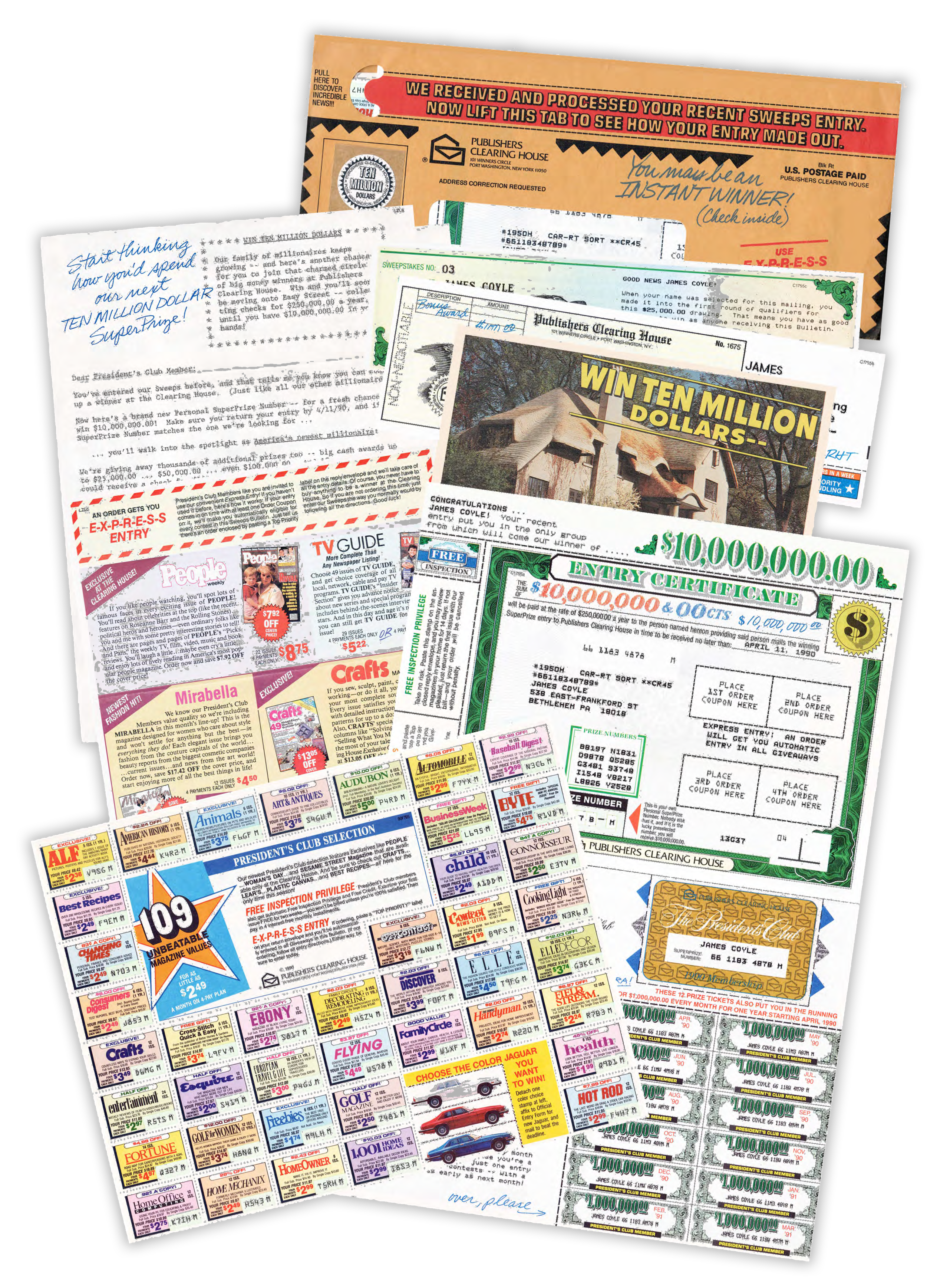
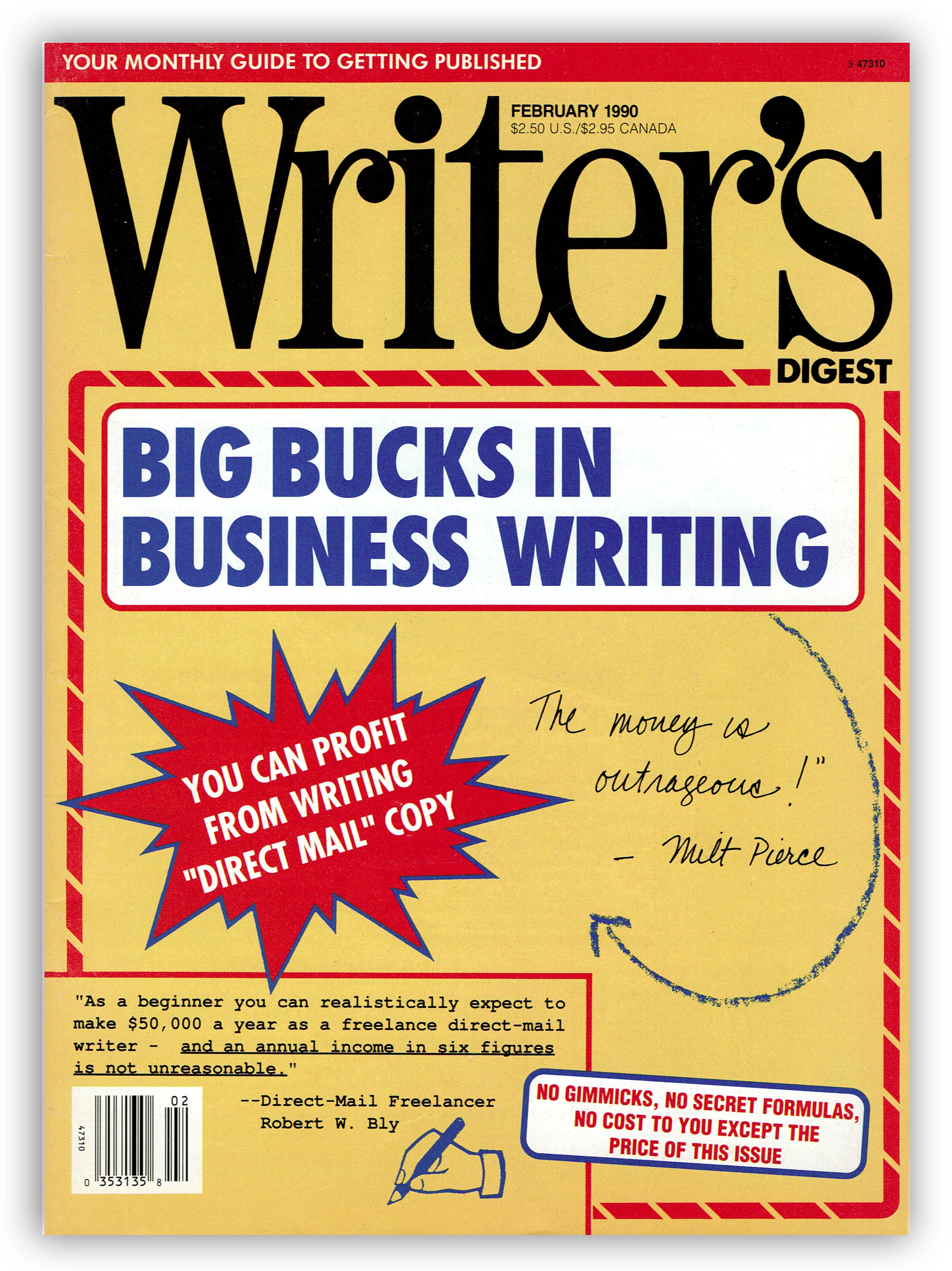
“Circulation is made of two things: creative and analytics,” says LaPointe. “Today, less time is spent on the creative versus the analysis. Fifteen years ago it might have been 50-50 in terms of staff time. Today, it’s more like 80-20.”
The main thing circulation directors do now is test components of the mailing, not the creative concept.
“We’re constantly testing everything,” LaPointe says. Premiums, hard offers, soft offers, seasonal timing, price, package formats, brochure, no brochure… we probably test hundreds of different variations in a year for cost and response.”
All these variable are measured and projected with sophisticated computer software that models the results. Data crunching is in the ascendancy in circulation direct marketing and creatives like Riccelli are feeling the pressure.
That’s not to say these things are infallible. This reporter is known to some friends as “Bob” Charm and yet, due to a computer error somewhere, I have, for years appeared on numerous and consequently unsuccessful junk mail solicitations as “Boob” Charm. And that’s the advantage for writers like Riccelli. Direct mail may be sent by computers. But it is received, discarded or responded to by people.
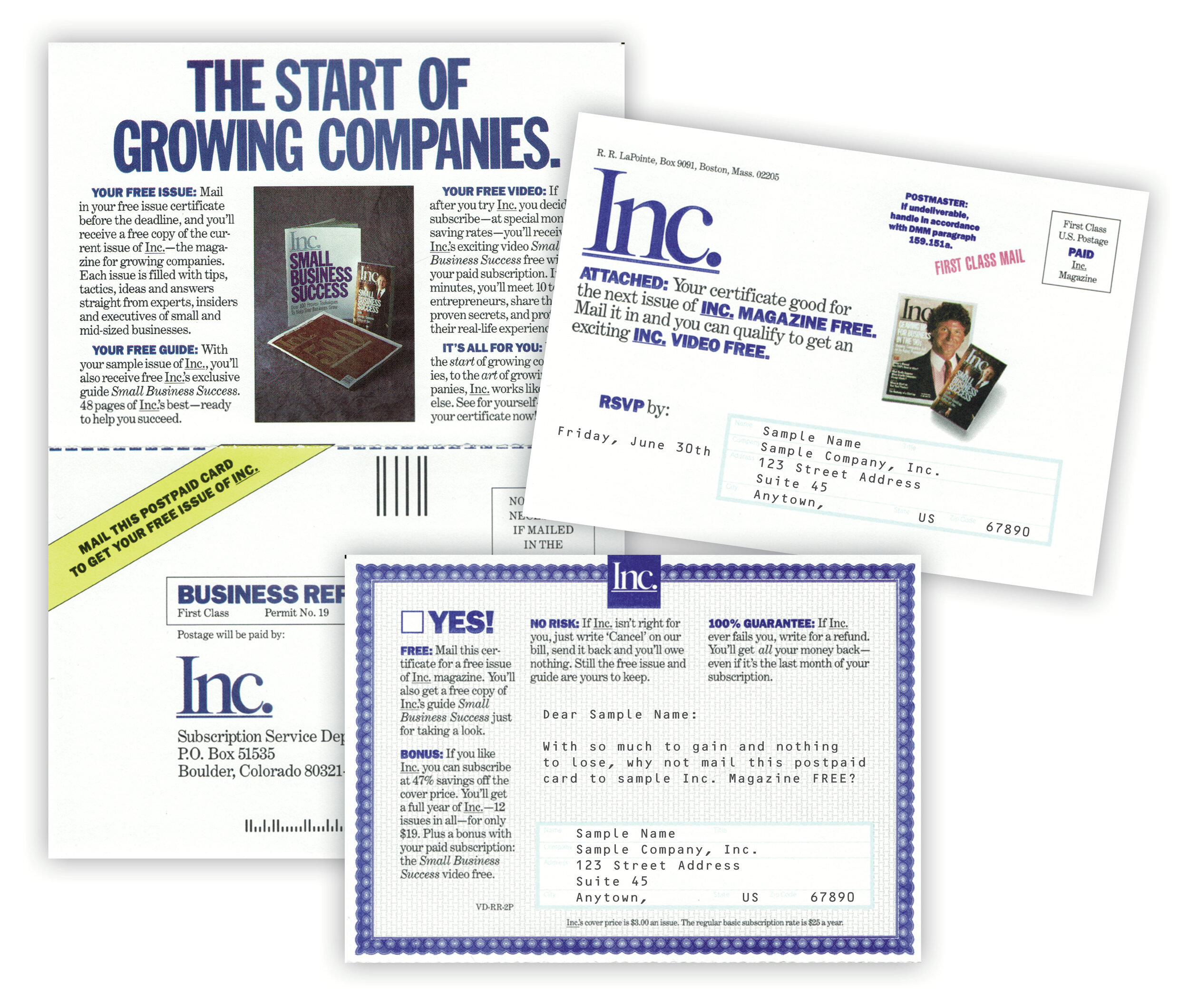
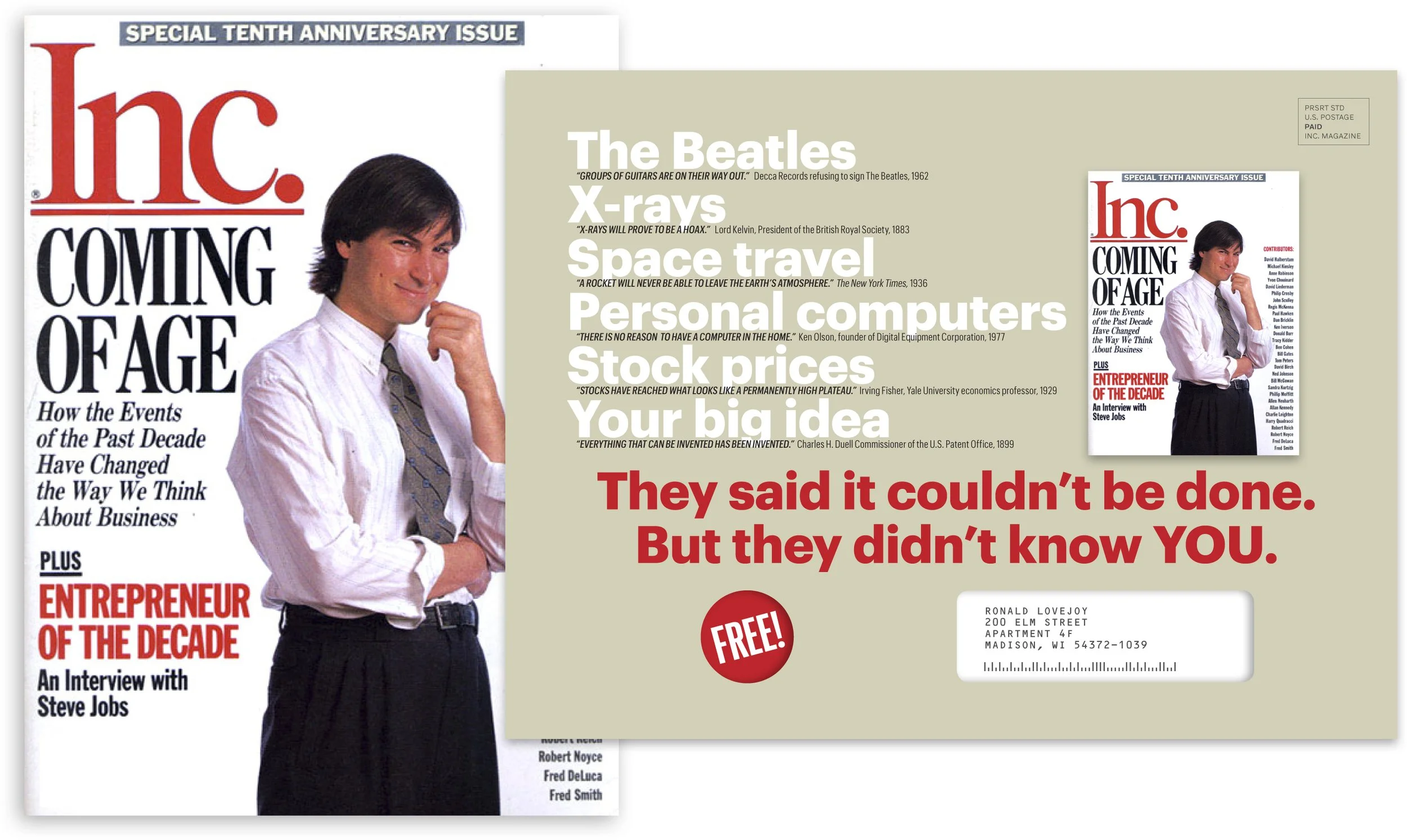
Inc.’s existing cold mail control package was one of the simplest, most cost-effective in the business, however. It was a simple double postcard folded over. Half was the sales copy. Half was the reply card.
Cold mail packages usually have a life span of about two years. Inc. had been using their double postcard for six years, and in direct mail that’s forever. In early 1989, LaPointe asked Riccelli to come up with a new idea to test against it.
And Riccelli choked.